

- This event has passed.
RETROSPECTIVE 1
Wednesday, September 24, 2025 | 6:30 pm
Director present
The Retrospective programme centres and celebrates the film work of trailblazing Caribbean makers. For TTFF/25 we honour Trinidad and Tobago/Canada filmmaker, Richard Fung.
Event Details
Films
My Mother’s Place
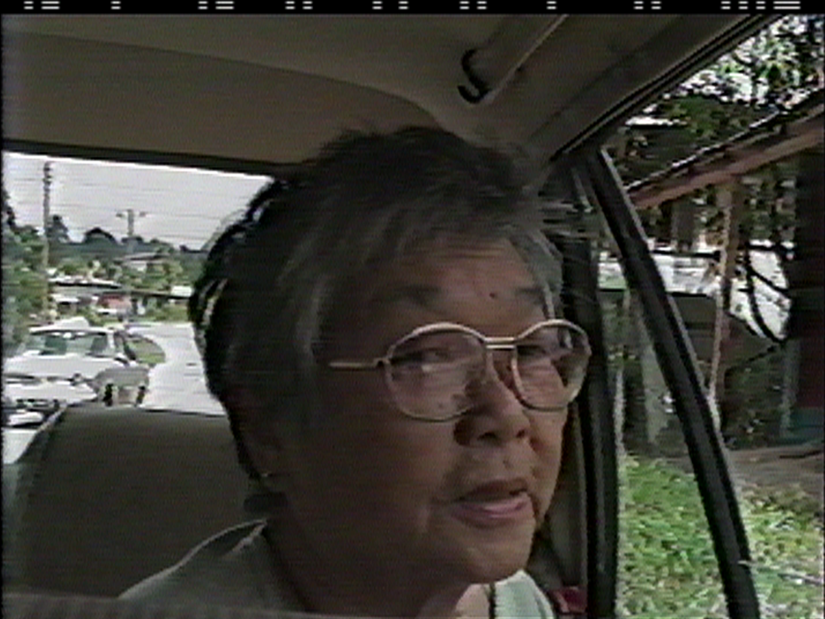
Rita Fung is the granddaughter of Chinese indentured labourers brought to Trinidad in the mid-nineteenth-century. My Mother’s Place is an innovative documentary focusing on the stories of the artist’s mother. Now eighty years old and living in Toronto, Rita Fung has vivid memories of a history lost or fast disappearing. She conveys these with a distinctly West Indian frankness and storytelling style. My Mother’s Place weaves interviews with Rita Fung and four progressive thinkers, an autobiographical narration, home movies, and documentary footage of the Caribbean to explore the formation of consciousness of race, class, and gender under colonialism.
.
RETROSPECTIVE 1
SCREENINGS
Orientations: Lesbian and Gay Asians
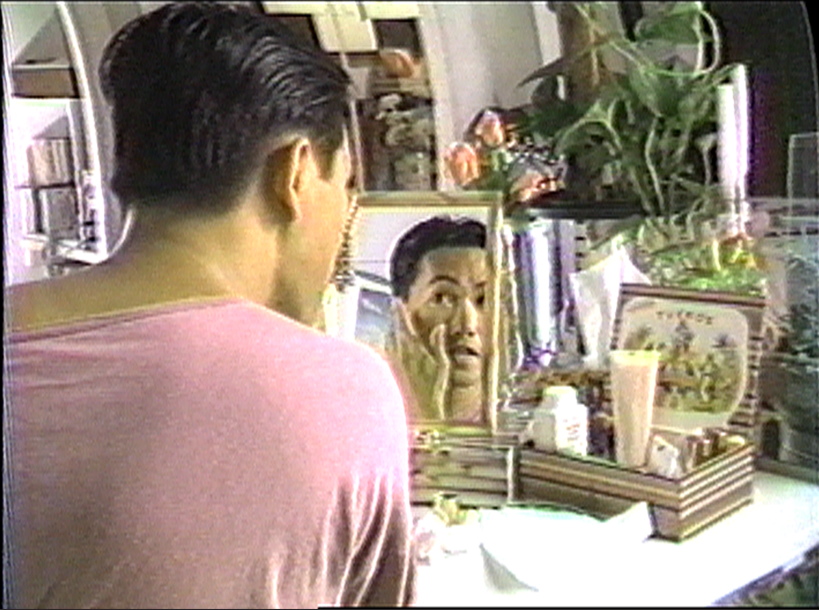
The tape features interviews with fourteen lesbians and gay men with diverse backgrounds, lifestyles, experiences, and outlooks. The themes proceed from first gay realizations, coming out into the gay/lesbian community, an understanding of racism in the lesbian/gay/feminist communities, coping with racism in the sexual arena, relationships, cultural self-assertion through art. After a short segment on lesbian and gay Pride Day 1984, the tape looks at the subjects in relationship to their ‘ethnic’ communities, workplaces, unions, solidarity groups. The final section looks at the importance of working together and specifically at the work of Lesbians of Colour and Gay Asians Toronto.
.
RETROSPECTIVE 1
SCREENINGS
Nang By Nang
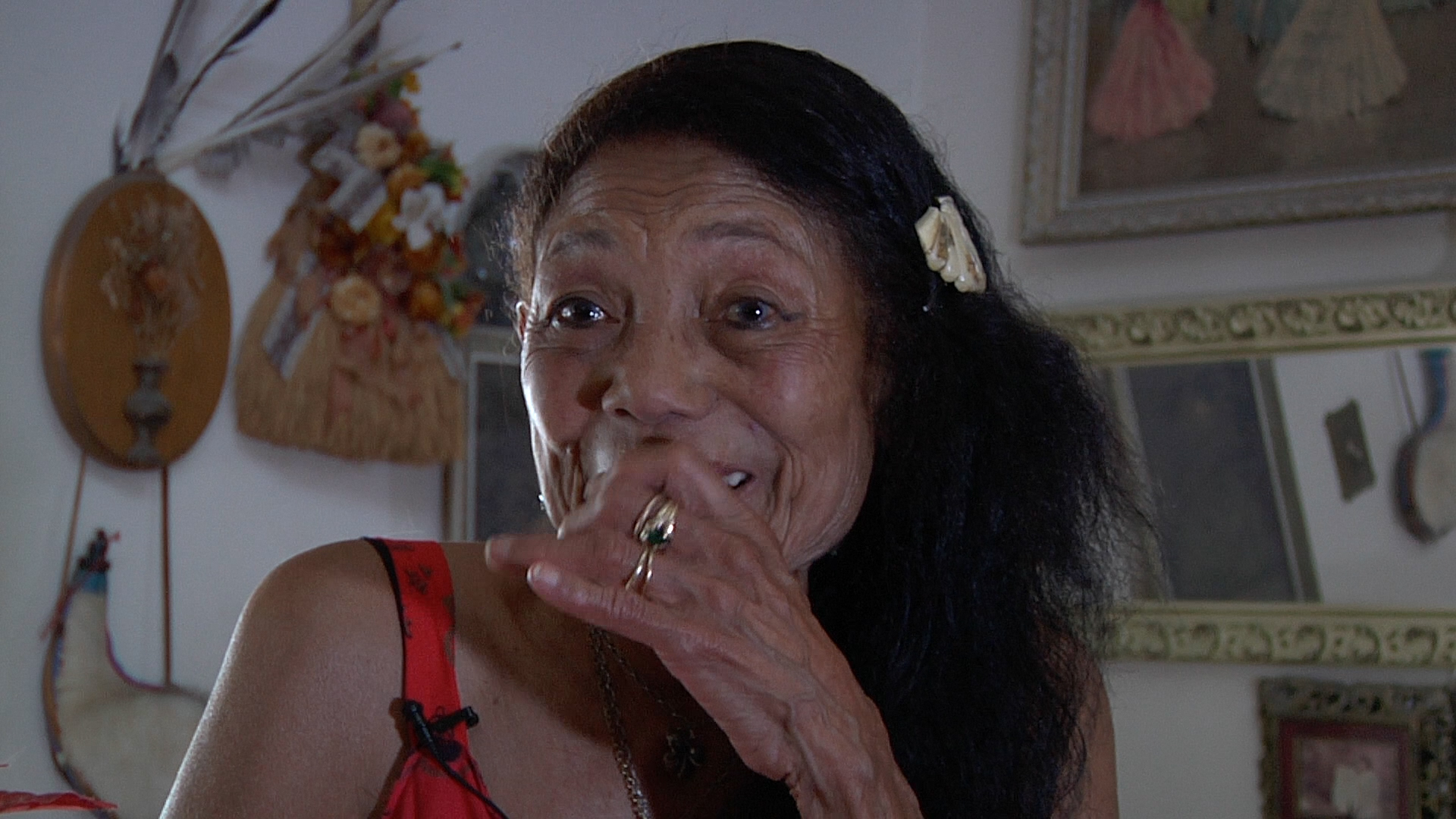
Nang has written her own script. Born in the Trinidadian village of Basse Terre in 1934, she grew up poor, illegitimate, mixed-race and female, but she survived by defying convention. She left the first of five husbands when he cheated on her. With no formal training, she danced with choreographer Geoffrey Holder, who later won Tony Awards for The Wiz. In her twenties, she went to work in the Orinoco delta in Venezuela, and saved enough to buy a house. She started university in New York in her 40s. Stubbornness, resourcefulness and resilience have allowed Nang to surmount life’s scars and tragedies. As her many changes of first and last names suggest, she was constantly reinventing herself. In this vivid portrait, filmmaker Richard Fung gets to know his first cousin at her current home in New Mexico and on the road in Trinidad. With Nang by Nang, Richard Fung continues autoethnographic explorations of his Chinese Caribbean family. Here he expands on “inside” and “outside” relatives first broached in My Mother’s Place (1990) and probes the meaning of “Chinese” in the Trinbagonian context.
.