

WE OUTSIDE
Friday, September 25, 2026 | 3:00 pm
Director present
To go outside, in these films, is to pay attention – to a hillside, a harvest, a single endangered frog. This programme of documentaries heads into the Caribbean’s forests, farms and waterways to sit with the species, and the people, bound up in them. In ‘Liquid sunshine’, a coconut farmer in southern Trinidad weathers shortage, pests and capricious skies with resilience and good humour. ‘The golden treefrog’ climbs 3,000 feet up El Tucuche with a researcher set on saving an amphibian found nowhere else, while ‘Spectral’ follows a scientist’s search through forest and cave for Trinidad’s elusive spectral bat and the fragile ecosystems it helps hold together. In ‘Paimîye’, Guyana’s giant water lily is traced from the Rupununi to Kew Gardens as wildlife habitat, folklore and object of conservation. And in the one-minute ‘Green’, the director turns his own colour blindness into a meditation on how we see – a reminder that the outside world is only ever what we perceive. Together, these films look closely at what the region stands to lose.
Event Details
Films
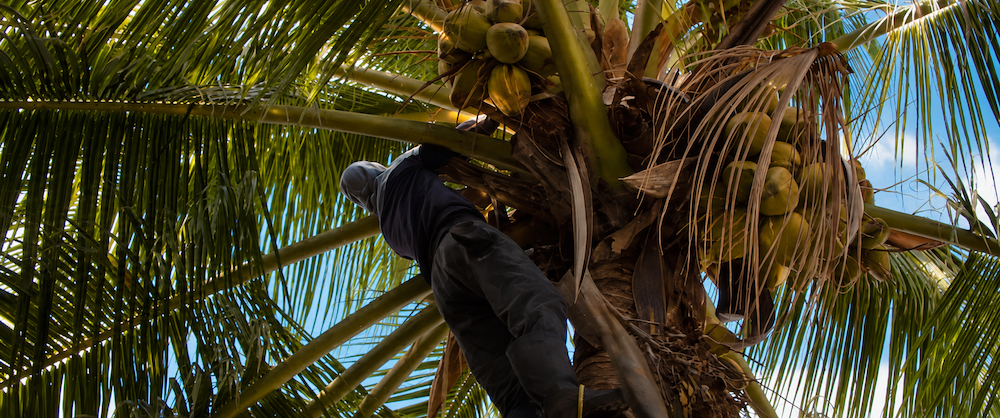
Liquid sunshine
‘Liquid sunshine’ paints a vivid portrait of Navin, a charismatic coconut farmer in southern Trinidad, over a day of familiar faces and unforeseen trials. What begins as a simple interview becomes an immersive journey as Navin invites the crew into his world. With his worker Rudy, he returns to his uncle’s farm to confront a coconut shortage, capricious weather, and pests. Through it all, his resilience and humour illuminate the perilous craft, ending in a bountiful harvest and new bonds.
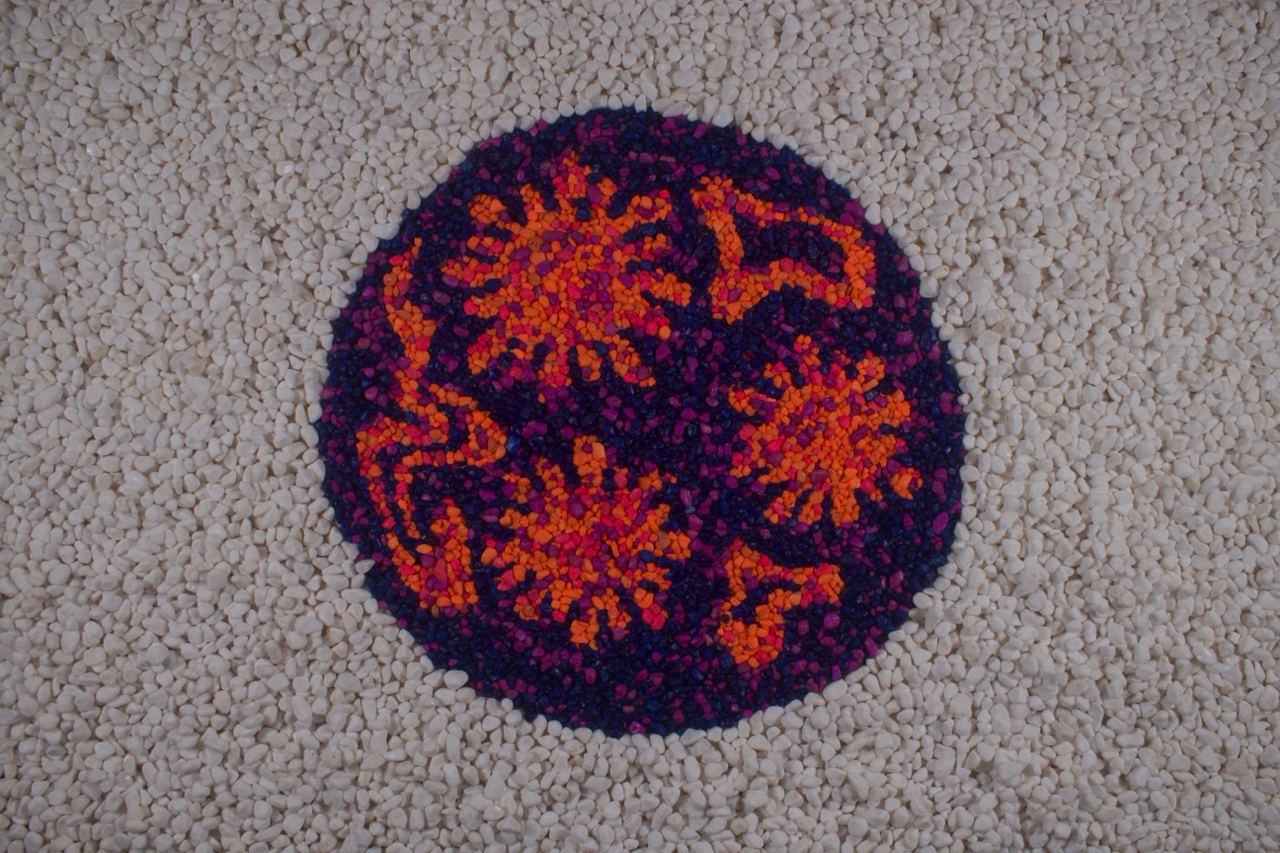
Green
Green is inspired by my experience with deutan colorblindness. The film draws aesthetic inspiration from Ishihara tests and uses colorblindness as a vehicle to explore the subjective and psychoanalytical nature of colours, signs, language and reality. By exploring his personal experience with the colour green as well as the symbolic meanings and associations of it, Peter aims to illustrate how meaning is just as subjective as the colour green.
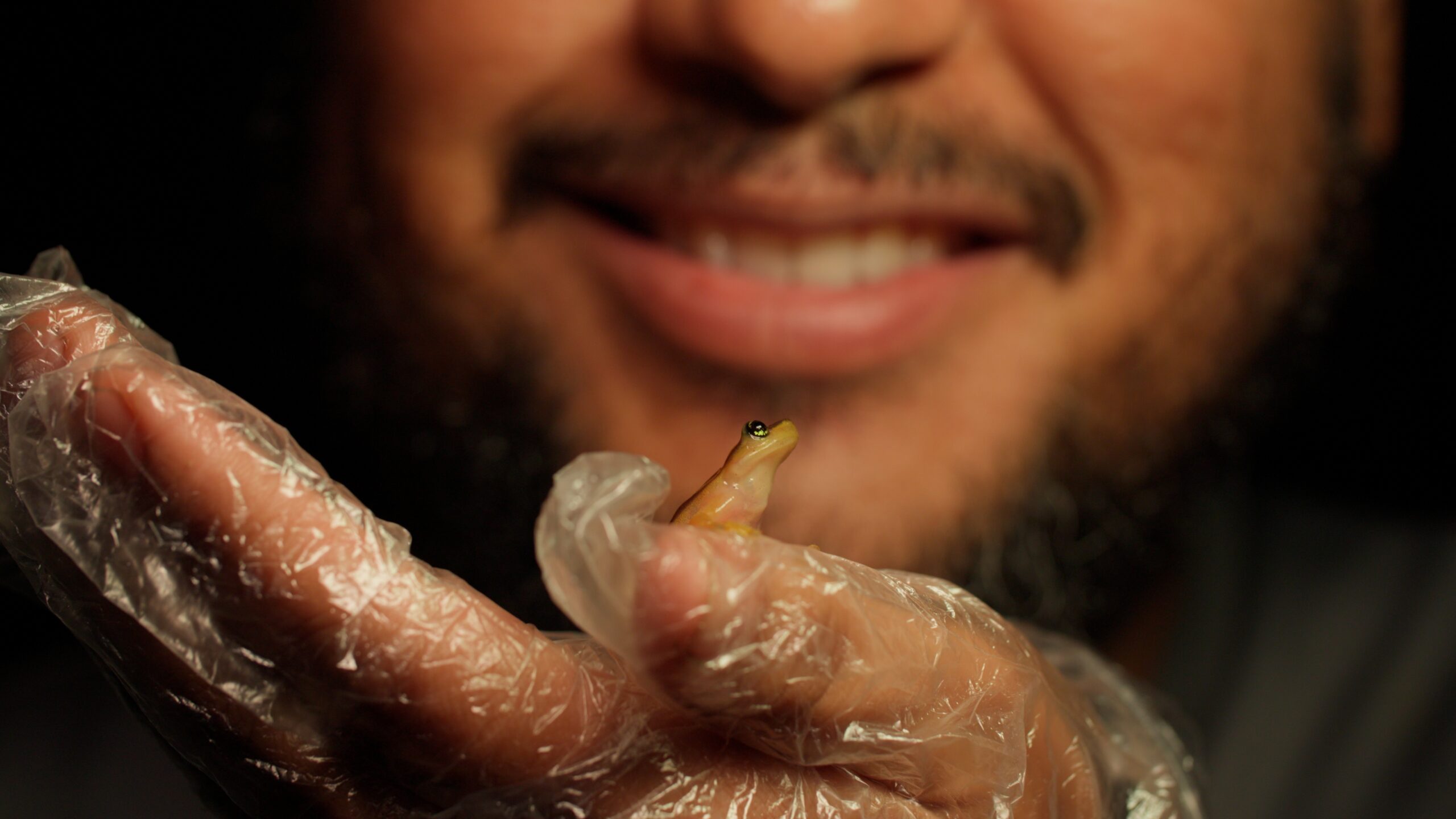
The golden treefrog
Found in Trinidad’s highest mountains, the endangered golden treefrog clings to existence. PhD researcher, Renoir Auguste, journeys 3000 up El Tucuche to explore the unique biology of the golden treefrog, and share why this animal can be a flagship species for amphibian conservation across the Globe and here in Trinidad and Tobago.
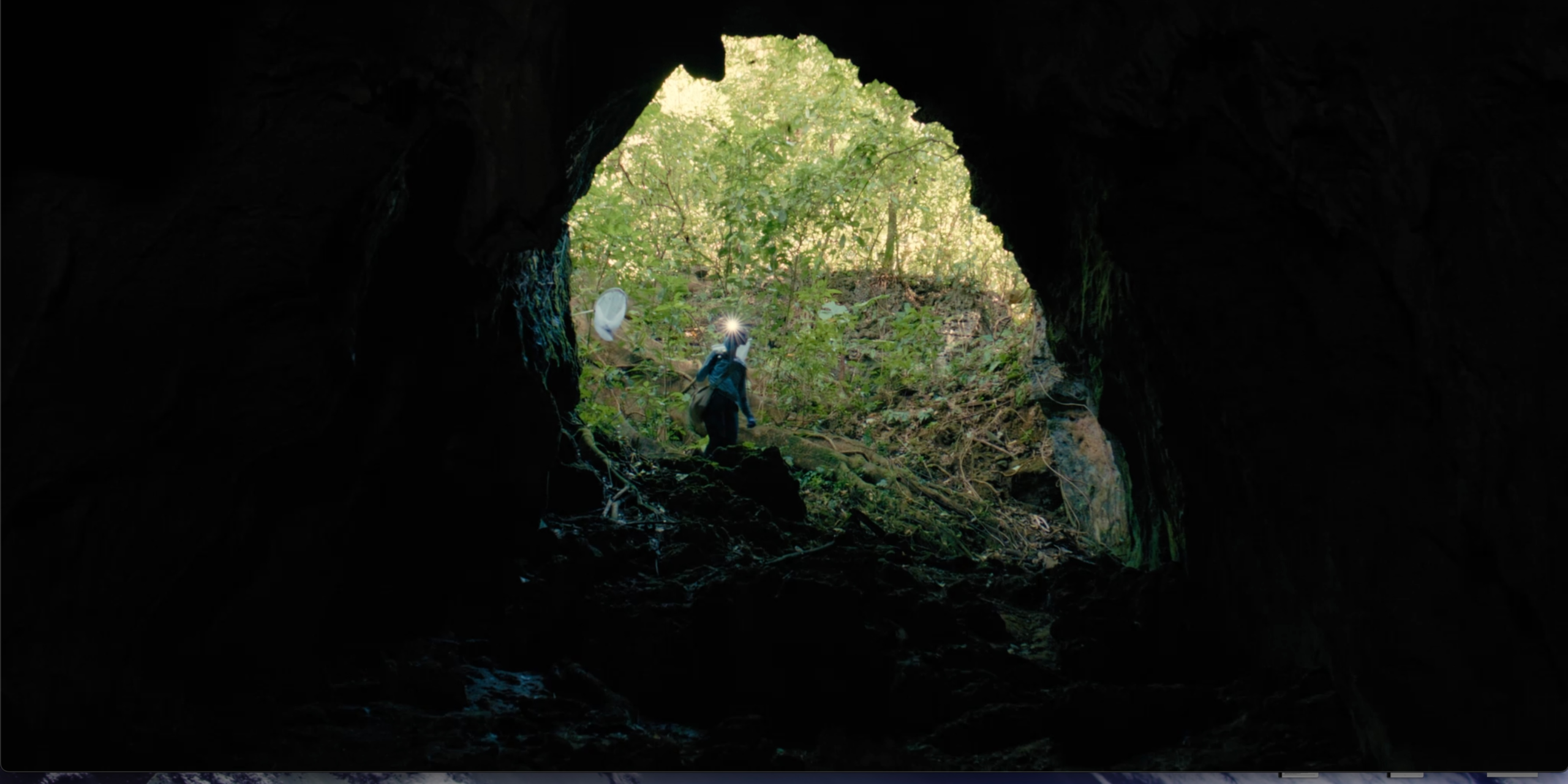
Spectral
A determined French scientist journeys to Trinidad with her team to find the elusive spectral bat. As their search unfolds, the film immerses viewers in the island’s biodiversity and culture, where science and storytelling intertwine. Through forests and caves, the expedition reveals the vital role bats play in fragile ecosystems, as new discoveries deepen our understanding of bat ecology. As climate change reshapes the environment, the film captures both the beauty at risk and the race to understand it.
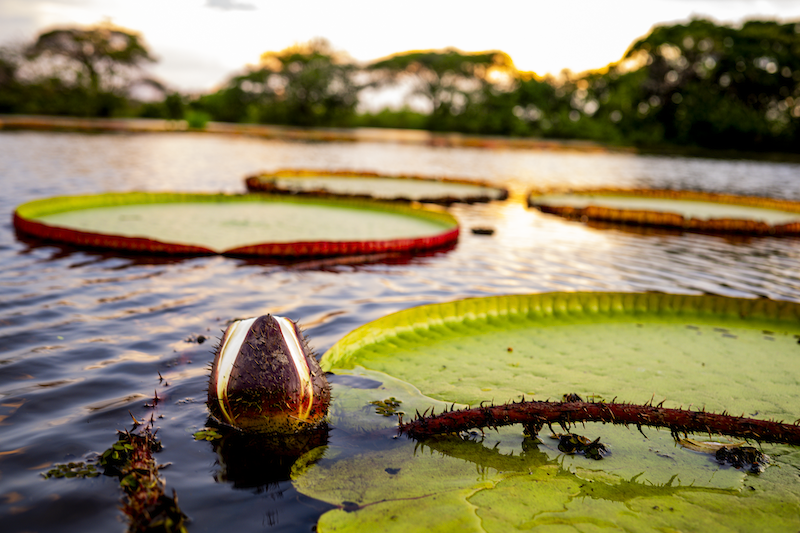
Paimîye
In the land of many waters, the Victoria Amazonica – ‘Paimîye’ in the Macushi language – is Guyana’s national flower, a botanical wonder of cultural and environmental importance. This documentary follows it from the protected Rupununi region to rare coastland sightings and the UK’s Kew Gardens, revealing how the water lily supports wildlife, inspires folklore, and needs conservation. It also traces Guyana’s confusion between water lily and lotus, mapping the story, survival, and significance of ‘Paimîye’ through Indigenous experts, scientists, and conservationists.