

- This event has passed.
UNWRITTEN
Thursday, September 25, 2025 | 8:00 pm
They weren’t written in, so they write themselves back. Across borders, timelines, and bloodlines, these works hold the line between silence and citation
Event Details
Films
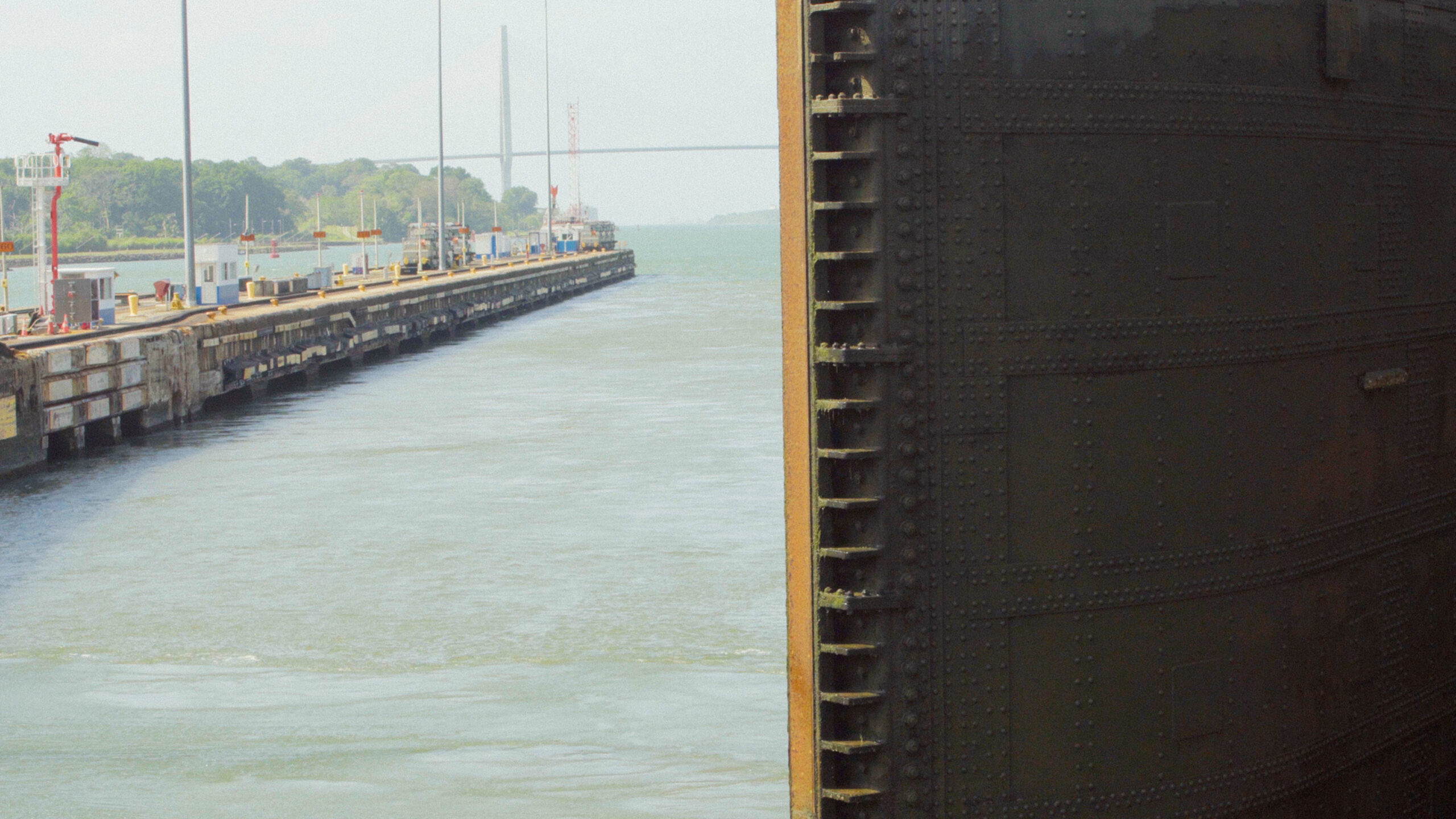
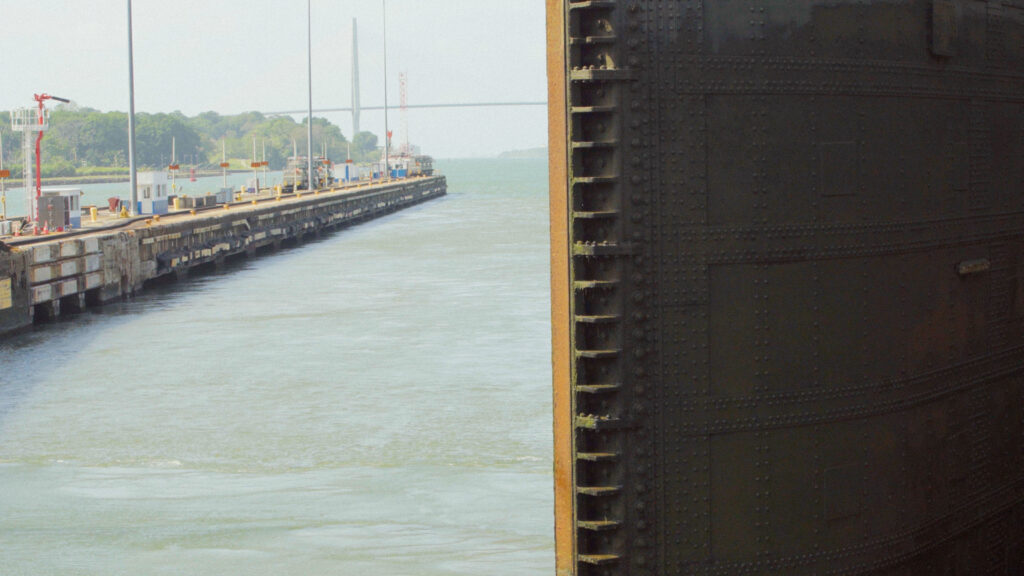
Zone
Zone, reflects on how liquid infrastructure operates within the space of abandoned memory, and the ruins of successive empires. Contrasting the constructed landscape of the Panama Canal, an artificial well is staged in an abandoned parking lot, mirroring the man-made Gatun Lake within the Panama Canal’s water system. Drawing on his family’s lineage as Chinese immigrants who worked on the Canal, Shim-Sutcliffe charts the construction of forgotten images, demonstrating how fluid landscapes have been instrumental in directing our collective fictions of progress. Zone uses archival materials, aerial tracking shots, 16mm and digital film, phone footage, stage design, and collage, to explore the overlapping political and cultural forces that have shaped this site.
.
UNWRITTEN
SCREENINGS
📍 Gemstone: Azure |25.09.2025 | 8.00pm
📍 4DX Cinema |28.09.2025 | 3.30pm
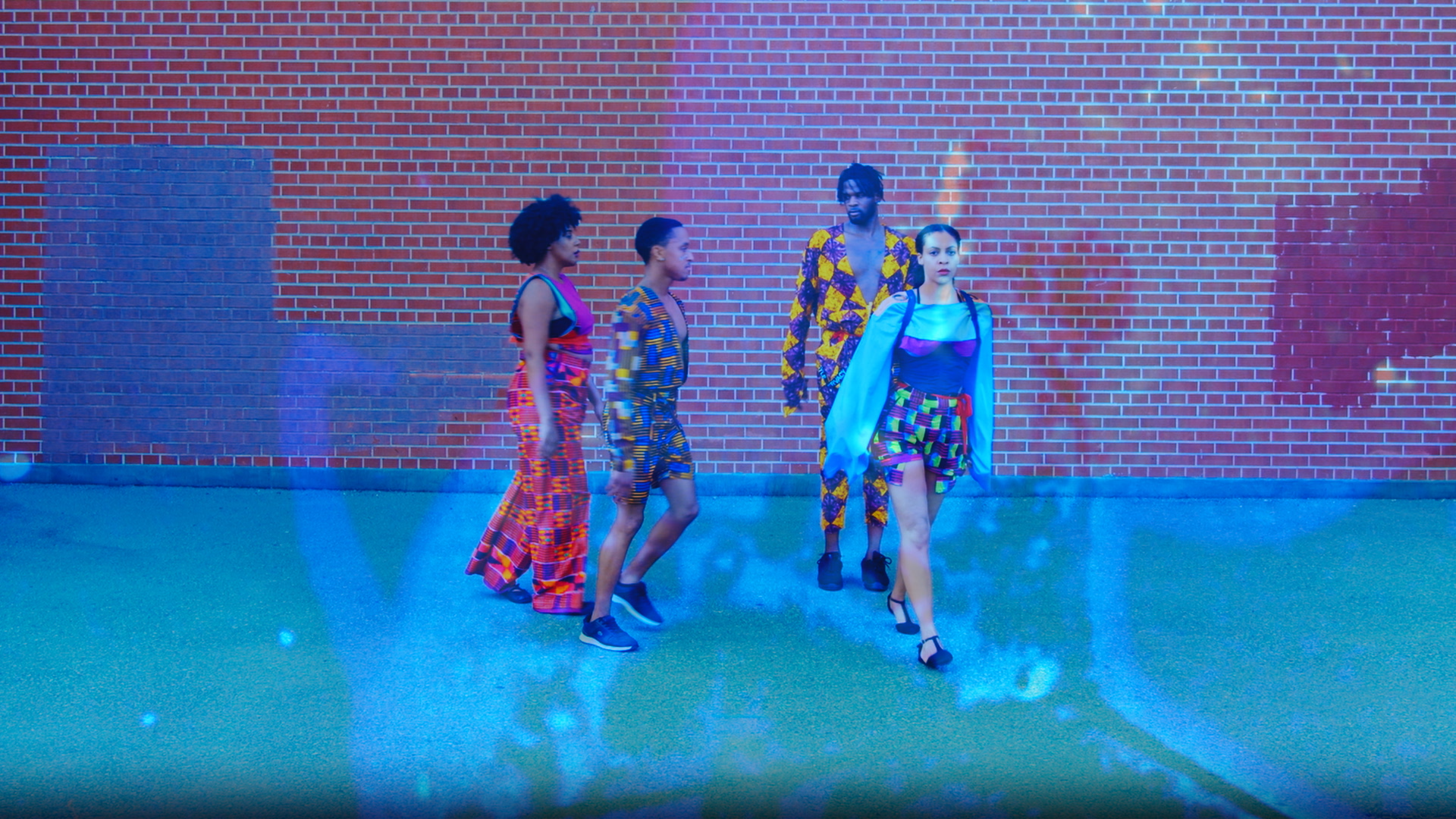
Riddim in Blue
Inspired by the oral histories and personal archives of our fathers, Riddim in Blue is an experimental documentary film and dance collaboration relating the story of two Jamaican men as innovators and pioneers of new technologies in Canada. Jerry Ebanks was instrumental in developing e-banking while working at the Canadian head office of an American bank. Probyn Gayle was the co-founder and Chief Technology Officer of the first electric car company listed on the Toronto Stock Exchange. The film recounts their stories through translations of dance notation, choreographed movements, and 16mm plant-processed film. Interpretive dance acknowledges the forced migration from the African continent through the Middle Passage to the island of Jamaica as key to the development of a new creolized culture. Riddim in Blue positions movement, migration, and the significant achievements of these two men as Black technological development.
.
UNWRITTEN
SCREENINGS
📍 Gemstone: Azure |25.09.2025 | 8.00pm
📍 4DX Cinema |28.09.2025 | 3.30pm
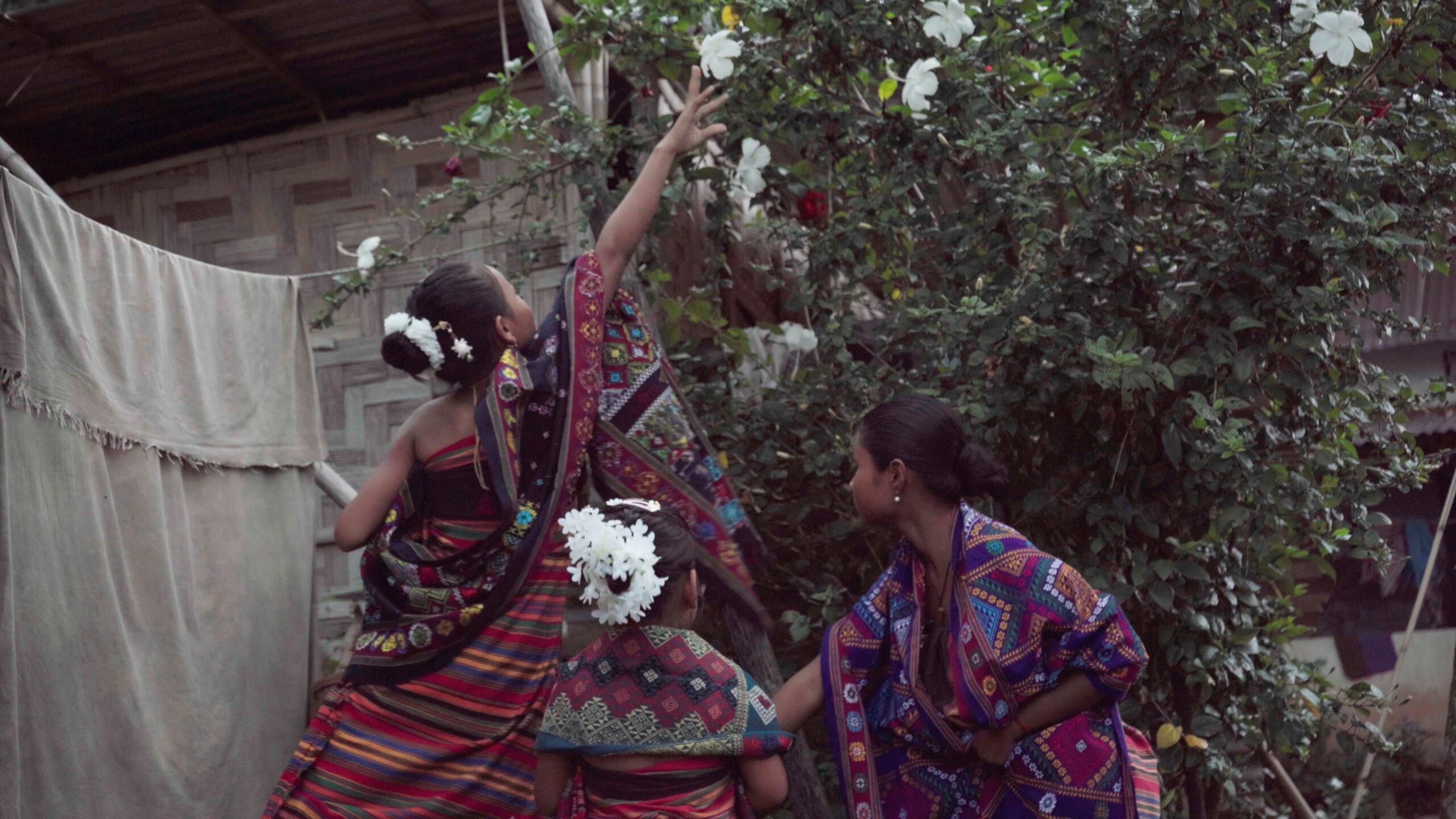
Echoes Within
“Koro Gochongni” (Echoes Within) is a diary film intended to rebuild the severed connection between myself and my ancestral tribal identity as an indigenous Koch woman. The film serves as an excuse to construct my lost identity, which now remains at a distance, perforated with nostalgia and an imagined sense of belongingness. Without any visual memory of my grandmother, whom I’ve never met, I am searching for her through the stories of my father, as well as the women of the community whom I refer to as, Aja, Anung, and Abu. They live in a matrilineal society in the remote villages of the North Eastern borderland of India. The project aims to delve into the nuances of gender and indigeneity, exploring their impacts on the psychology of a young queer woman as she asserts her identity and expresses moments of angst, confusion, and certainty about her desires. This identity has been erased from her lived experience by powerful patriarchal and majoritarian religious structures throughout history, manifested through multiple waves of Sanskritization in India, ultimately pushing towards a homogenized Hindu identity with the loss of the tribal language, culture, culinary tradition, and animistic faith systems. The formal aspects of the film attempt to supplement the bridge between the lived, imagined, and borrowed as it navigates through the personal and collective memory of the community, which has been pushed towards amnesia of their tribal roots.
.